
From Candlelight to Lasers: How Diamond Cutting Technology Evolved Over Time
For centuries, diamonds weren’t cut to maximize sparkle. They were cut to survive candlelight, preserve carat weight, and work within the limitations of the tools available at the time.Today, modern diamonds are engineered with microscopic precision using lasers, AI mapping, and light-performance technology. And now, with the rise of lab-grown diamonds, the diamond industry is evolving yet again.
The history of diamond cutting is really the story of technology, craftsmanship, economics, and changing beauty standards reflected through the facets of a stone.
The Earliest Diamond Cuts: Beauty Before Brilliance
Long before modern diamond cutting existed, diamonds were prized simply because they were rare and incredibly hard. Early cutters had limited tools, so the goal wasn’t maximizing sparkle. It was preserving as much of the original crystal as possible.
Point Cut Diamonds (1300s–1500s)
The earliest diamonds were often left close to their natural octahedral crystal shape. These “point cuts” looked almost pyramid-like and had very few polished facets.
Under candlelight, a subtle glow was enough. People weren’t expecting the intense brilliance we associate with diamonds today because indoor lighting itself was soft and dim.
Table Cut Diamonds
As polishing techniques improved, cutters began flattening the top of the stone to create a larger “table” facet. This allowed more light reflection while still retaining much of the rough diamond.
These early cuts were designed by hand using primitive polishing wheels powered manually or by foot. Precision symmetry simply wasn’t possible yet.
The Rise of the Rose Cut Diamond
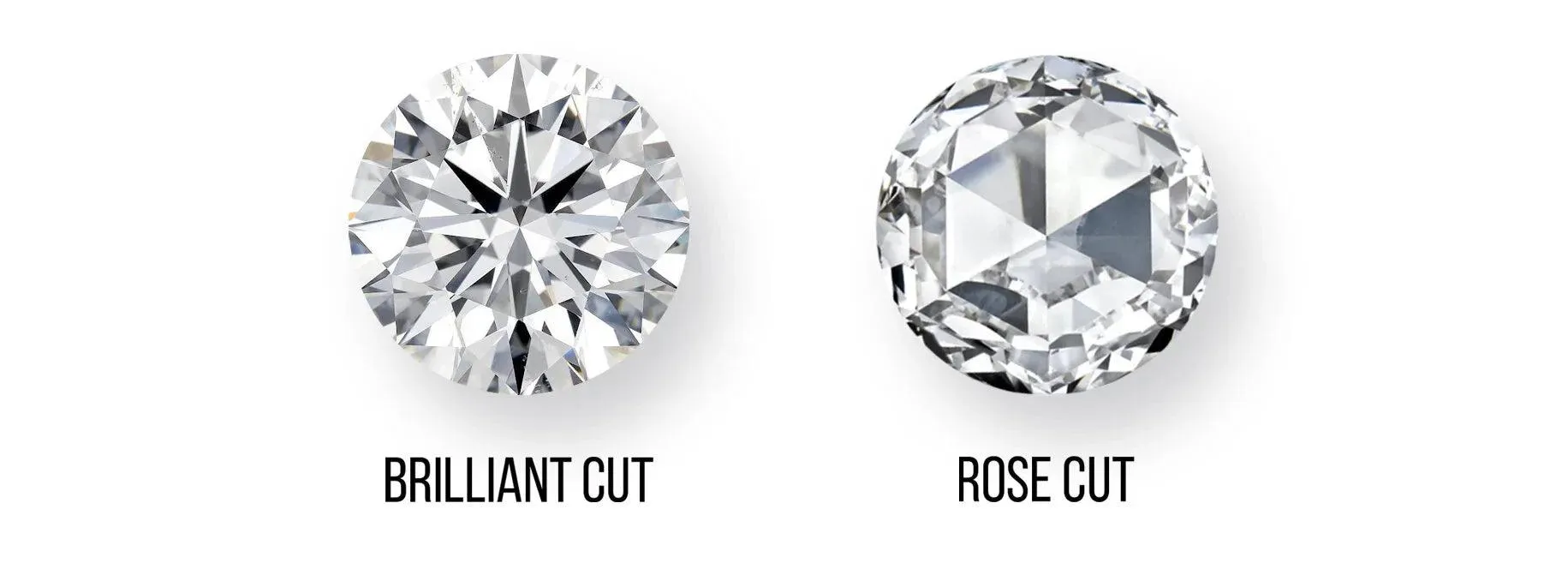
By the 1500s and 1600s, the rose cut diamond became one of the most popular styles in Europe.
The rose cut featured:
- A flat bottom
- A domed top
- Triangular facets resembling rose petals
This made perfect sense for the era:
- Jewelry was viewed mostly under candlelight
- Diamonds were worn in royal courts and dim interiors
- Cutters still prioritized retaining weight from valuable rough crystals
Old Mine Cut Diamonds: The Birth of Fire & Sparkle
The Industrial Revolution changed everything.
By the 1700s and 1800s, diamond cutting technology improved dramatically thanks to:
- Steam-powered equipment
- Better polishing tools
- Advancements in symmetry and facet placement
- Increased global diamond supply from mines in Brazil and later South Africa
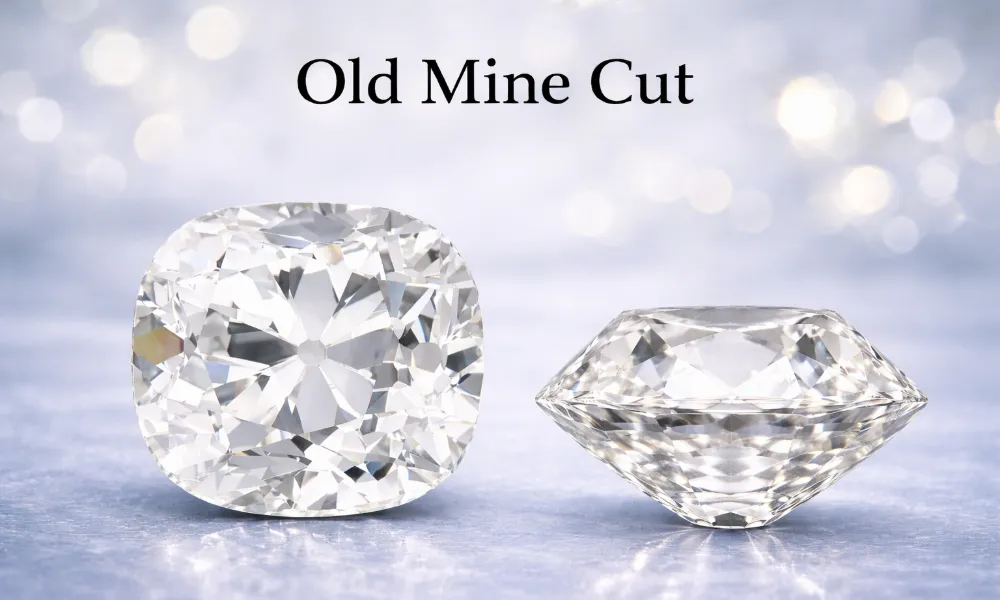
Old Mine Cuts typically featured:
- Cushion-like outlines
- High crowns
- Small tables
- Large open culets
- Chunky hand-cut facets
Each Old Mine Cut diamond was unique because cutters shaped stones individually rather than using exact calibrated measurements.
Old European Cut Diamonds & Electric Lighting
By the late 1800s and early 1900s, another major shift occurred: electricity.
As electric lighting became more common, diamonds suddenly needed to perform differently. Cutters began experimenting with proportions that enhanced brilliance under brighter, whiter light sources.
This led to the rise of the Old European Cut (OEC).
Old European Cuts introduced:
- A rounder shape
- Improved symmetry
- More precise facet patterns
- Greater brilliance and fire
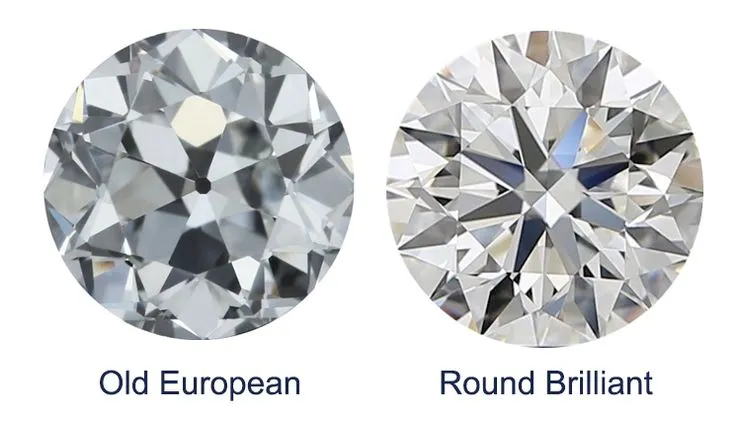
Unlike modern diamonds, OECs still retained:
- Hand-cut charm
- Larger culets
- Chunkier flashes of light rather than pin-fire sparkle
The Modern Brilliant Cut Revolution
The modern diamond industry changed forever in 1919 when mathematician and engineer Marcel Tolkowsky published research on the “ideal” diamond proportions for light performance.
Using mathematics and optics, Tolkowsky calculated the angles that would maximize:
- Brilliance (white light return)
- Fire (rainbow flashes)
- Scintillation (sparkle movement)
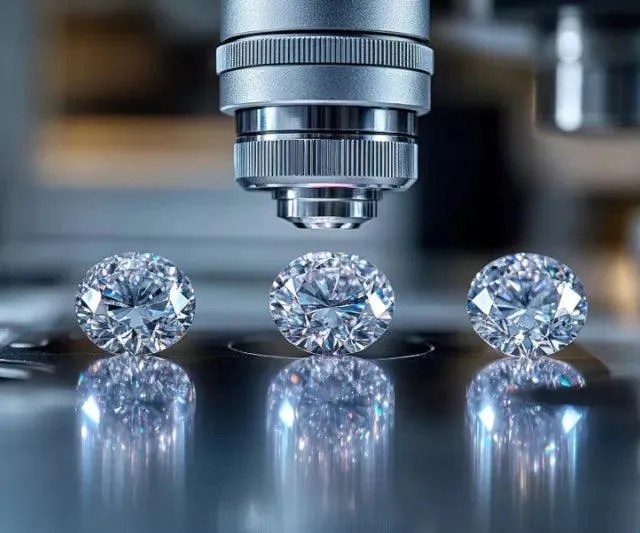
Today’s modern diamonds are cut using:
- Laser mapping
- 3D scanning
- AI planning software
- Precision robotic cutting
- Advanced symmetry grading
The result is a level of precision impossible just a century ago.
How Industrialization Changed Diamond Cutting
Industrialization didn’t just improve diamond sparkle, it transformed the entire jewelry industry.Before Industrialization:
- Diamonds were cut entirely by hand
- Every stone was unique
- Production was slow
- Jewelry was primarily for royalty and aristocrats
- Cutting wheels became mechanized
- Diamond supply increased globally
- Jewelry became more accessible to the middle class
- Standardized cutting styles emerged
- Precision and symmetry dramatically improved
People began demanding:
- More brilliance
- Better symmetry
- Cleaner faceting
- Standardized grading
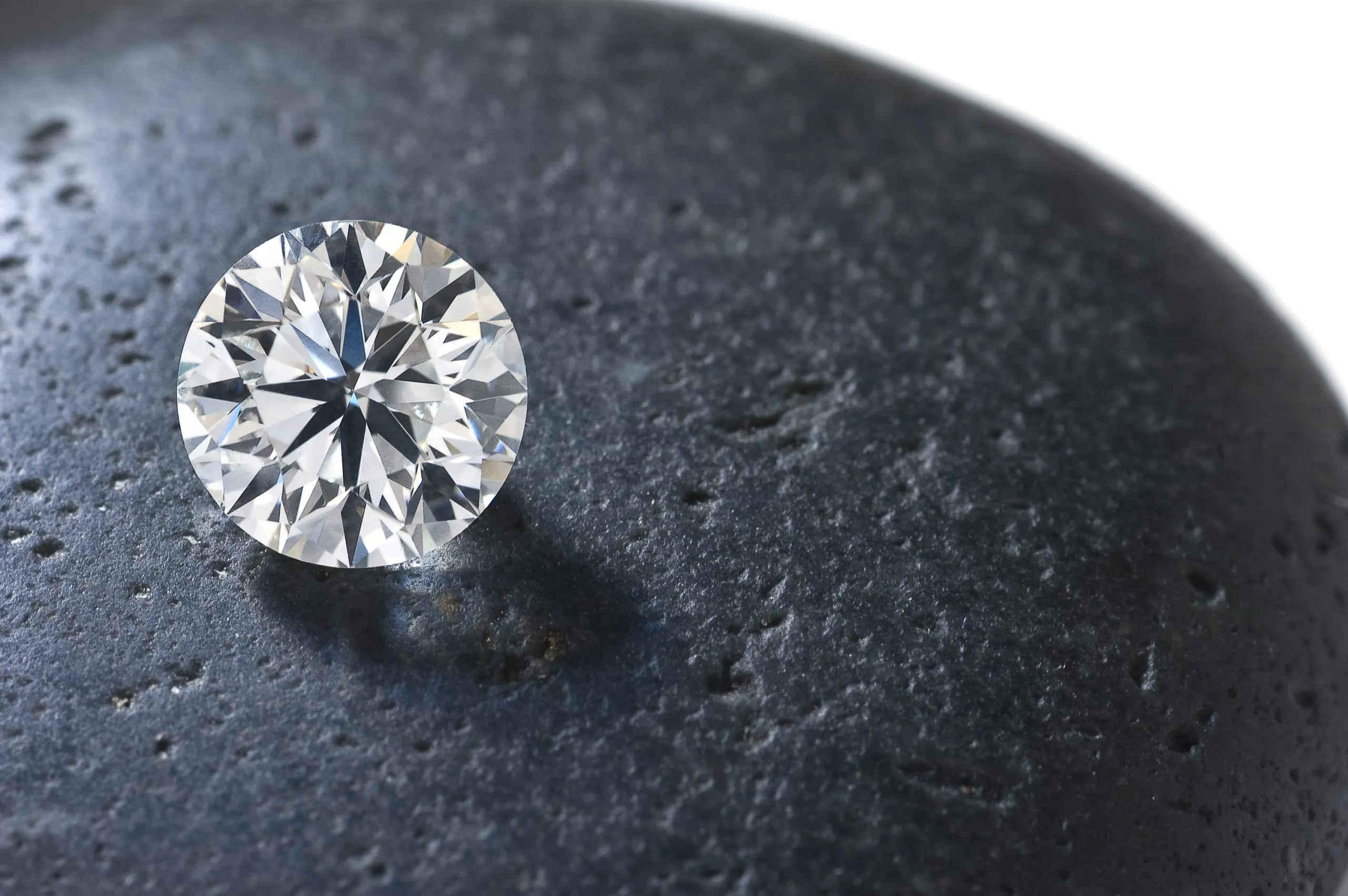
The Rise of Lab-Grown Diamonds & Modern Technology
Today, the evolution of diamond technology has entered a completely new phase: lab-grown diamonds.
Unlike mined diamonds formed underground over billions of years, lab-grown diamonds are created using advanced technological processes such as:
- HPHT (High Pressure High Temperature)
- CVD (Chemical Vapor Deposition)
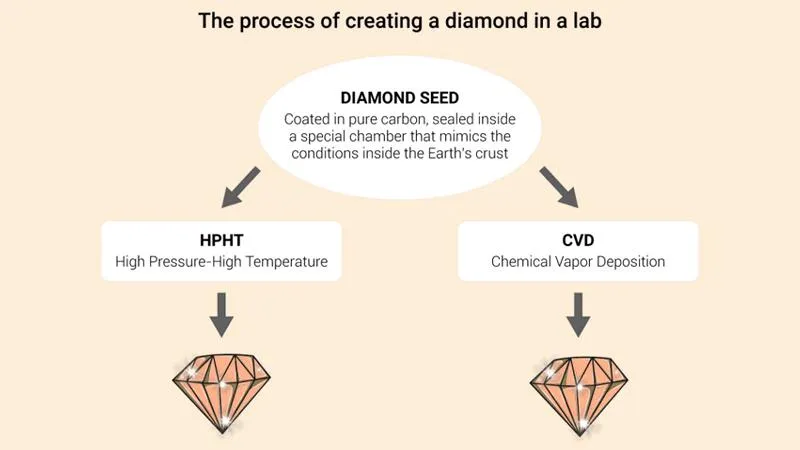
Modern lab-grown manufacturing allows:
- Greater consistency in rough material
- Faster production cycles
- More experimentation with cutting styles
- Larger diamonds at more accessible price points
At the same time, this technological shift has created renewed appreciation for antique diamonds and hand-cut stones — especially among buyers who value rarity, craftsmanship, and historical character.
Why Antique Diamond Cuts Are Popular Again
Ironically, as modern technology has made diamonds more perfect, many buyers have become drawn to imperfections and individuality again.Vintage cuts like Rose Cuts, Old Mine Cuts, Old European Cuts are increasingly sought after because they offer:
- Softer light performance
- Handcrafted character
- Larger flashes of light
- Historic charm
- One-of-a-kind faceting patterns
In a world of machine precision, that uniqueness feels deeply personal.
Final Thoughts: The evolution of diamond cutting mirrors the evolution of human technology itself.
From hand-polished rose cuts glowing under candlelight to laser-cut modern brilliants engineered for maximum fire, every era of diamond cutting reflects the tools, culture, and aesthetics of its time.
And now, with lab-grown diamonds reshaping the modern industry, the story continues evolving yet again.
Whether someone prefers the romance of an antique Old European Cut or the precision of a modern ideal-cut diamond, understanding the history behind these cuts makes the jewelry itself even more meaningful.
About Venus Jewelers
Venus Jewelers is a family-owned fine jewelry and luxury watch store in Somerset, NJ, serving New Jersey since 1979. With more than 5,000 five-star reviews and certifications through the American Gem Society and GIA, Venus Jewelers is a trusted destination for pre-owned and new luxury timepieces throughout Central New Jersey.
940 Easton Avenue, Suite 11B • Somerset, NJ 08873
(732) 247-4454 • venusjewelers.com